Nutraceuticals: Functional Foods for Health and Nutrition
For a long time, food was just about filling your stomach and keeping you going through the day. People ate to get energy, and that was it. But things have changed now, people think about food differently. They want to stay healthy, avoid illness, and feel good for longer. For this reason, Nutraceuticals have become more common in our everyday life. Dr Stephen DeFelice invented the term “Nutraceutical” from “Nutrition” and “Pharmaceutical” in 1989.
The idea that food can help the body isn’t new.
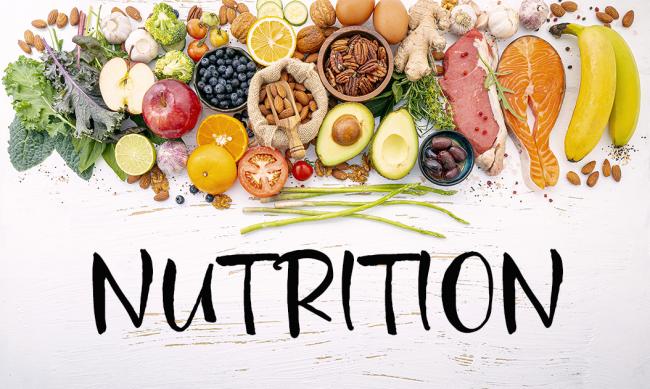
Ancient healers believed that certain foods could support healing. What’s different now is how this belief has evolved with modern science, production, and changing lifestyles. Nutraceuticals fall somewhere between regular food and medicine. They come from food sources, but they offer more than basic nutrition. They are not drugs, but they do something more than just filling our stomachs.
At their core, Nutraceuticals are meant to help the body function better.
They may support your heart, improve digestion, protect your brain, or help your joints move smoothly. Instead of treating illnesses directly, nutraceuticals focus on lowering risks and helping you stay healthy in the long run. This difference is why they are so popular, but it also makes people question their use.
You can find Nutraceuticals in many forms.
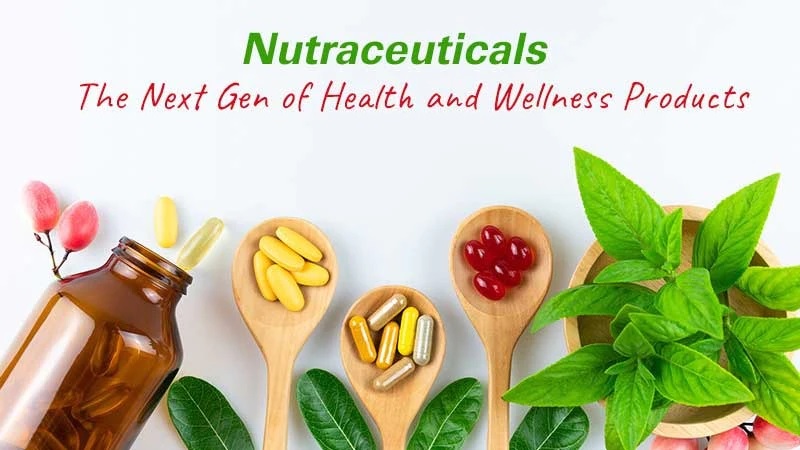
Some are pills or capsules made from plants, vitamins, or minerals. Others are food items with added benefits, like yogurt with good bacteria or eggs with extra omega-3s. There are also special foods made for specific health needs, often taken under a doctor’s care. All of these have one goal in common: helping your body work better, not just keeping you fed.
Many well-known products fit into this category.
Fish oil, turmeric, grape seed extracts, and green tea concentrates are all examples. People use them for clearer thinking, better movement, smoother digestion, or protection against lifestyle diseases. It’s easy to see why they are popular. Taking a pill is simpler than changing your whole lifestyle.
Interest in Nutraceuticals has grown fast for a few reasons.
One is aging. People are living longer, and they care more about staying healthy as they get older. Also, healthcare costs are rising, so prevention feels better and cheaper than treatment. Nutraceuticals offer a way to take control before problems start.
Another reason is how easy it is to get information.
With the internet, people can search for symptoms, read about studies, and watch health videos quickly. This pushes many toward self-care. Someone with stress might look into ashwagandha. Another person with knee pain may try glucosamine. Stores and online shops respond quickly, offering more Nutraceuticals based on what people search for and buy.
But things get complicated.
The rules for Nutraceuticals are often unclear. In many countries, including the United States, they are treated like food, not medicine. This means they don’t have to go through the same testing as drugs. Companies can talk about supporting immunity or heart health without proving they can cure anything. After they hit the market, there isn’t much oversight on safety or quality. This leads to big differences in how effective or safe they really are.
There’s also a gap between what’s claimed and what’s backed by science.
One brand might have a meaningful amount of an active ingredient, while another might have very little—or even harmful stuff. Studies also show that nutrients work better in real food than when taken in pills. This is why some Nutraceuticals seem to work, while others rely more on tradition or personal stories than solid evidence.
Because of this uncertainty, using Nutraceuticals wisely is important.
They aren’t magic fixes. Talking to healthcare professionals, especially if you have a health condition, can help avoid problems or harmful combinations. Smart choices depend on good information, not just marketing.
Looking ahead, the future of Nutraceuticals might become more personal and precise.
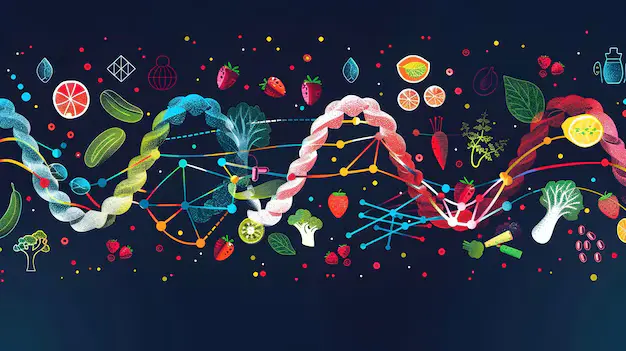
Scientists are studying how genes affect how people respond to nutrients. One day, supplements could be tailored to fit individual needs instead of following one-size-fits-all formulas. New ways to deliver nutrients might also help them reach the parts of the body where they are needed most.
There’s also more attention on where these products come from.
As plant-based and marine sources become more popular, sustainability becomes important. Harvesting ingredients without harming the environment is no longer optional. Real health includes a healthy planet, not just healthier people.
In the end, Nutraceuticals work best when they are seen for what they really are: helpful tools, not miracle cures.
They can’t replace balanced meals, regular activity, good sleep, or medical care. When used thoughtfully, they can support healthy habits—but they can’t replace them.
Big promises in small bottles are easy to sell, but real wellness takes more than that.
The real power of Nutraceuticals appears when food choices, science, and medical advice come together. Not as shortcuts, but as part of a bigger, smarter approach to living well.