Fast Food Industry – Growth, Trends, Challenges & Global Impact
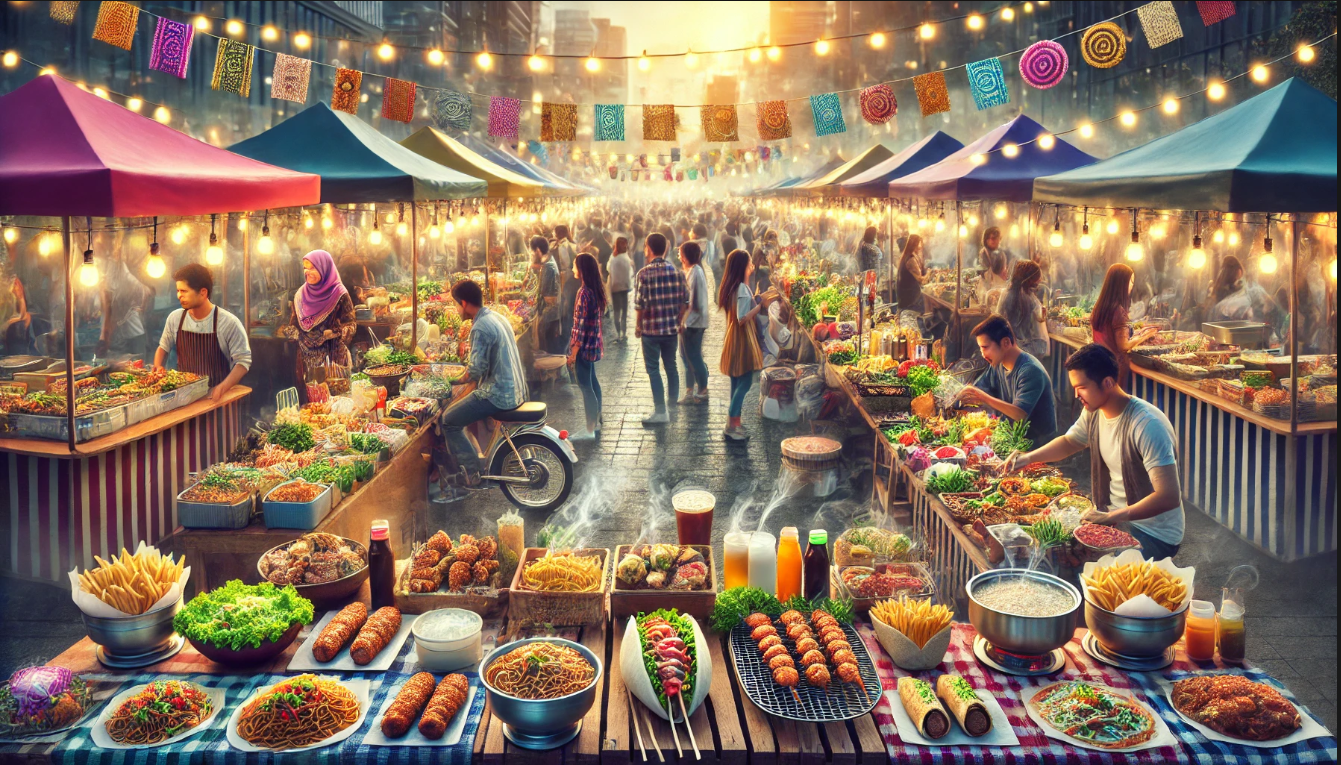
For many years, fast food has been a regular part of daily life. It's been the go-to option for busy mornings, late nights, road trips, and saving money. From quick burgers to fries on the go, the industry built its success on being fast, convenient, and cheap. But now, the global fast food industry is at a turning point. While it still has a lot of money, it is facing big challenges that are making it rethink how it works and how it connects with people.
On paper, the numbers are still good.
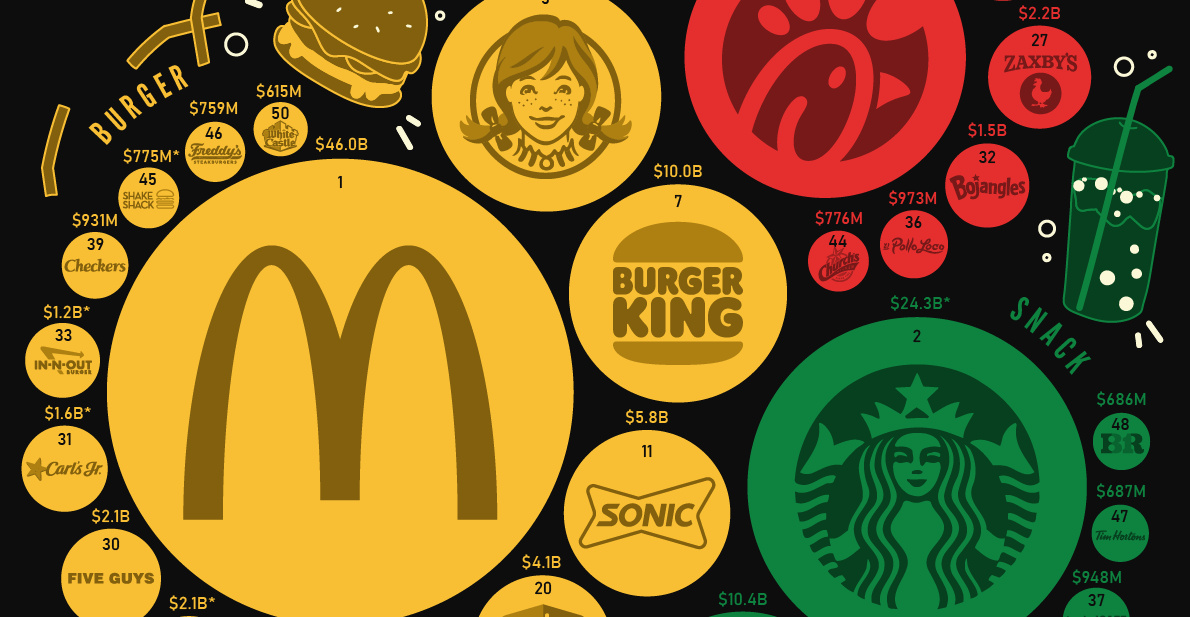
Industry estimates suggest that the top 25 restaurant brands around the world—most of them fast food or quick-service chains—could reach a total value of about $190.1 billion by 2026. Brands like McDonald’s continue to lead, showing that the fast food model is still around. However, a lot of this growth is from expanding into new markets instead of growing in places where these brands are already well known.
In countries like the United Kingdom, growth has almost stopped.
Recent data shows the fast food sector saw almost no growth there. While forecasts suggest customer visits might go up by 9% in 2025, much of this is because of about 1,300 new stores opening. When you take those new stores out of the picture, visits to existing fast food places have actually dropped by 1%. This means the market in developed areas is full, with new stores just splitting the same customers instead of getting new ones.
Pricing has become a major issue.
Since the pandemic, many fast food chains—especially burger places—have raised prices a lot. Some items now cost 50 to 55% more than they did in 2019. Meanwhile, grocery prices have gone up by about 30% in the same time. This gap has made it harder to believe fast food is always the cheapest choice. As prices go up, people are starting to wonder if the convenience is still worth the cost.
Lower-income households, which used to be the main customers of fast food, are feeling this the most.
Many are cutting back on takeout and cooking more at home or choosing cheaper options. This shift has led to a price war between big players like Wendy’s and Taco Bell. Value meals, limited-time deals, and bundled offers are coming back as brands try to keep customers in a competitive market.
At the same time, people’s views on health are changing.
The fast food industry has long been criticized for pushing diets high in ultra-processed foods, sugar, and factory-made meat. These concerns are becoming more serious as obesity and health issues related to diet rise worldwide. A report from The Lancet predicts that by 2050, a large part of the global adult population could be overweight or obese. This has put more attention on the role fast food plays in modern diets and has made calls for stricter regulations stronger.
Some countries are already acting.
In Switzerland, officials and health experts are watching the growing number of fast food places, especially in cities. Research shows that areas with more fast food outlets often have higher obesity rates. In the UK, about 78% of the most popular food items are labeled as "less healthy," putting more pressure on big fast food brands as health policies keep changing.
Another thing adding to the uncertainty is the rise of GLP-1 weight-loss drugs.
As more people use these treatments, eating habits may change, which could reduce the demand for traditional fast food meals. While the long-term impact is still unclear, it's another challenge for an industry already dealing with thin profits and changing customer behavior.
To deal with these issues, the fast food sector has focused a lot on technology.
Self-service kiosks, digital menus, mobile apps, and loyalty programs are now common. These tools often raise the average order value because customers are more likely to add extra items when they see them on a screen. However, they haven't fixed the main problem: getting more people to come in. Overall, fast food restaurants are still seeing about 7% fewer customers than in 2019.
Some experts argue that this heavy reliance on technology may actually be hurting the experience.
Moving from human interaction to screens has taken away some of the warmth and comfort that used to define fast food. An industry expert noted that despite all these digital upgrades, customer traffic hasn't improved, leading to questions about whether technology alone can keep people coming back.
That said, not every part of the fast food world is struggling.
Pizza chains, for example, have shown more strength. With price increases around 27%, they remain relatively affordable and keep attracting customers. At the same time, the line between fast food and casual dining is getting blurrier. As fast food prices go up, places like Chili’s and Applebee’s are seen as better value, offering a sit-down experience for only a little more.
Interestingly, this trend has reversed an old pattern.
Instead of moving down to fast food, some people are moving up. At the same time, the global spread of fast food continues to grow in developing regions, where rising incomes and city lifestyles still make it a good option.
In the end, fast food isn’t disappearing, but it is clearly changing.
To stay relevant, the industry must find a balance between affordability, health concerns, technology, and human connection. The brands that will succeed are those that truly understand what modern customers want—not just speed, but value, honesty, and a better overall experience.