Food Culture Beyond Quick Bites: The Story, Soul & History of Street Food
Food Culture Beyond Quick Bites
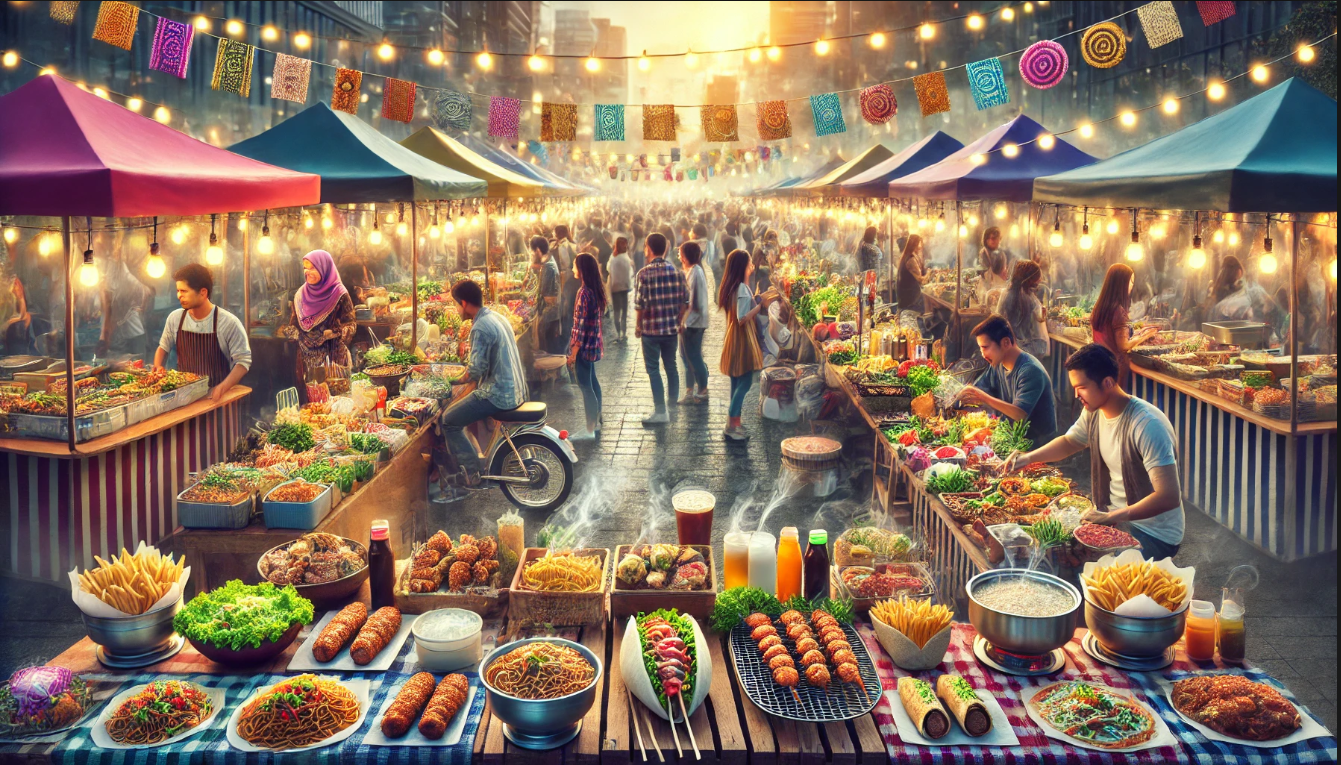
Walking down any busy street lights up your senses right away.
The sound of oil popping in pans, the rich smell of spices, and the cheerful voices of vendors calling out to people around them create a lively atmosphere. It might seem to a passerby like just a quick stop for a snack. But for many people across the world, street food means much more than just eating. It’s comfort, tradition, memories, and a way to connect with others, all in a warm meal that you can hold in your hands.
Eating on the move isn’t a new idea.
Humans have always come together around food, wherever life was happening. As cities grew, the need for fast and cheap meals led people to rely on street food as part of daily life. Before there were fancy restaurants, food was often cooked and sold right where people worked, talked, and lived.
Looking back into history shows how widespread street food was.
In ancient Greece, fried fish was sold along busy ports. In Pompeii, there were food stalls that served stews to people who didn’t have home kitchens. In China, workers got simple meals from roadside vendors, while wealthy families also had servants buy food for them. From Aztec markets selling tamales to London streets selling eels, street food followed cities wherever they went, shaped by the local ingredients and flavors of each place.
What makes street food special is the way it brings people together.
There are no reserved seats or strict rules about how to dress. Everyone lines up, smells the same things, and eats together. When you’re at a food cart, hungry and hopeful, social status disappears. These shared moments create small but important connections.
Take Bangkok, where bold flavors like spicy papaya salad and rich curries define the city.
Many top chefs say they measure their skills against the flavors found in street food stalls. Changing the recipe too much risks losing something important. In Singapore, hawker centers began as simple roadside stalls but have become symbols of the nation’s culture. Bowls of chicken rice and noodles there are protected by traditions and rules to keep their flavors authentic. UNESCO even recognizes these spaces as part of living heritage. Here, street food is history you can taste.
Every vendor carries stories that have been passed down through families.
Recipes are learned by watching, tasting, and repeating—not from cookbooks. A single dish might carry decades of experience. That’s why people return again and again. They’re not chasing trends—they’re chasing familiarity. Street food becomes part of daily life, like greeting a long-time friend.
Many successful restaurants also started this way.
Someone once set up a small cart just to make ends meet, not knowing it would grow into something bigger. Around these carts, communities slowly developed. In cities like Lagos or Mexico City, the smell of food has the same power as job opportunities to bring people together. Migrants meet over shared plates, swapping stories while waiting for their food. Street food becomes a quiet place of belonging in unfamiliar surroundings.
India is one of the best examples of how deeply street food reflects culture.
Each region tells its own story through taste. Vada pav is connected to Mumbai, while gol gappa carries memories of Punjab. In Delhi, cooks come together every year to share flavors from their hometowns, not for awards, but just for pride. Every bite connects you to a place, a language, and a way of life.
Similar stories happen around the world.
In South Africa, Bunny Chow—a hollowed loaf filled with curry—was created during tough times when people were excluded from shared dining spaces. In China, soft hand-shaped buns were made to carry warmth through long nights. Street food often starts from struggle, creativity, and the need to survive, which makes it even more meaningful.
People don’t love street food just for its taste.
They love the memories attached to it. Maybe it’s the smell of sweet jalebi after a family argument or sharing fuchka with someone who later becomes a lifelong friend. Sometimes it’s the same snack eaten after a long workday, again and again, until it feels like comfort. One vendor once said he doesn’t just cook food—he cooks memories.
Yet, life isn’t easy for those who depend on street food.
Rising costs make ingredients harder to afford. Strict rules and changing city plans push vendors out of familiar places. Younger generations often avoid this work, looking for easier jobs. Many experienced cooks retire with no one ready to take their place. Cities change fast, and street food sellers are often left struggling to keep up.
Still, this culture refuses to disappear.
From modern food trucks in Los Angeles to high-end chefs borrowing flavors from roadside stalls, street food keeps evolving. It adapts without losing its soul. It stays relevant because people still crave real food made by real hands.
Going on a food walk or stopping by a small cart connects you to something older than the city itself.
The meal you hold carries stories of lives lived, struggles faced, and traditions protected. Street food reminds us that food doesn’t need luxury to matter. Sometimes, the simplest dish served quickly can say the most about who we are and where we come from.
In the end, street food is not just something you eat. It’s something you feel.