Role of Probiotics in Gut Health | Benefits, Foods & Digestion
Over the last few years, people have started paying more attention to what's going on inside their bodies, especially in the digestive system. This growing interest has made gut health a big topic of conversation, and it's for a good reason. A healthy gut does more than just break down food. It helps support the immune system, keeps energy levels up, helps control mood, and plays a role in how we feel overall. One of the easiest and most effective ways to support gut health is by including probiotics in your daily routine.
Your gut is home to trillions of tiny microorganisms, all together called the gut microbiome.
These include bacteria, fungi, and other microbes that work together to keep your body working properly. Many of them are helpful and necessary for digestion, absorbing nutrients, and keeping away harmful germs. When these microorganisms are in balance, gut health feels natural. However, things like stress, unhealthy eating, not enough sleep, sickness, and using antibiotics often disturbs this balance and can cause digestive problems and other health issues. That's where probiotics can be really helpful.
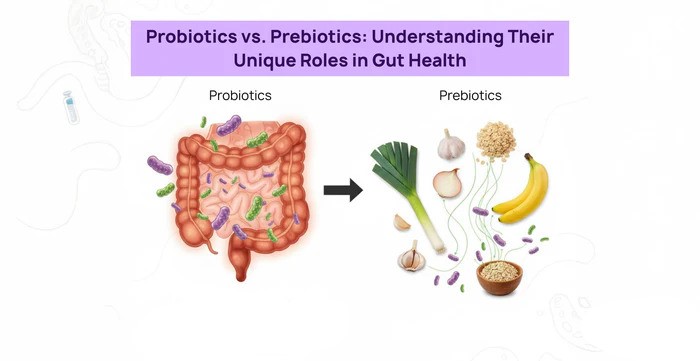
Probiotics are live, helpful bacteria that help get the balance of microorganisms in the digestive system back to normal.
They can be found naturally in fermented foods like yogurt, kefir, kimchi, sauerkraut, miso, and kombucha, as well as in supplements. Their main job is to replace the good bacteria that may have been lost, making the gut healthier and digestion smoother.
One of the most significant benefits of probiotics is how they improve digestion.
Probiotics work by breaking down types of food that the body has trouble handling, such as fiber and lactose. This makes it easier to absorb nutrients and can help with common digestion issues like bloating, gas, constipation, and diarrhea. When digestion works better, the whole digestive system feels better, which helps maintain a healthier gut as time goes on.
Not only in digestion, but probiotics also help protect the lining of the gut.
The intestinal lining acts as a barrier to prevent harmful substances, toxins, and bacteria from getting into the bloodstream. If this lining becomes weak or damaged, it can lead to inflammation and other health problems. Probiotics help by supporting the healthy cells in the gut and reducing inflammation, which is important for keeping the gut healthy over time.
The connection between gut health and the immune system is especially important.
In fact, a big part of the immune system is located in the gut. Gut bacteria constantly interact with immune cells, helping the body tell the difference between harmless things and real threats. Probiotics help regulate immune responses, making the body better at fighting infections while also reducing unnecessary inflammation. That’s one reason why people who focus on gut health often feel better and get sick less often.
Unexpectedly, gut health also has a strong effect on mental and emotional well-being.
The gut and brain are connected through something called the gut-brain axis, a complex network of nerves, hormones, and chemical signals. Some probiotic variants can influence the production of neurotransmitters like serotonin, which plays a key role in regulating mood. By keeping the gut microbiome in balance, probiotics can help reduce stress, improve mood, and lead to a calmer mental state, showing how gut health has a wide impact on our lives.
Many people use probiotics when they have specific digestive problems like irritable bowel syndrome (IBS), antibiotic-related diarrhea, or general gut discomfort.
Studies suggest that some probiotic strains can help reduce symptoms, improve bowel movements, and gradually restore gut health by stopping harmful bacteria from growing and encouraging the growth of good bacteria. While probiotics aren’t a cure-all, they can be a helpful part of a bigger plan for better digestion.
Your diet plays a big role in how effective probiotics are.
Probiotics work best when supported by prebiotics, which are types of fiber that feed the good gut bacteria. Foods rich in prebiotics include onions, garlic, leeks, bananas, asparagus, oats, legumes, and whole grains. When probiotics and prebiotics are eaten together, they work together to create an environment where the gut can really thrive.
It’s also important to know that not all probiotics are the same.
Different strains offer different benefits. What works for one person might not work for another. Factors like age, diet, lifestyle, and existing health conditions all affect how probiotics work in the body. Selecting high-quality probiotics that have a variety of variants and using them regularly can make a real difference in supporting gut health.
In today’s fast-paced world, it can be hard to keep the gut healthy.
Stress, processed foods, irregular meals, and busy lifestyles often make it hard for the digestive system to stay balanced. Adding probiotics to your routine—whether through food, supplements, or a combination of both—is a practical and natural way to support your body from the inside.
Ultimately, the role of probiotics in gut health is both straightforward and meaningful.
By helping digestion, supporting the immune system, protecting the gut lining, and even influencing mental well-being, probiotics help create balance where it matters most. Taking care of your gut doesn’t require perfection; it’s about making consistent choices that support your body’s natural processes. With the right approach, probiotics can be a valuable ally in helping you feel healthier, more energized, and more balanced every day.